

In the context of bespoke hotel furniture, colour design is a crucial factor that significantly influences the visual experience. The colour scheme for hotel furniture must complement the spatial composition whilst also aligning with the management’s preferences. For hotel interiors, the dominant colour scheme for each space must be determined in advance. So, how should the colours of hotel furniture be designed?
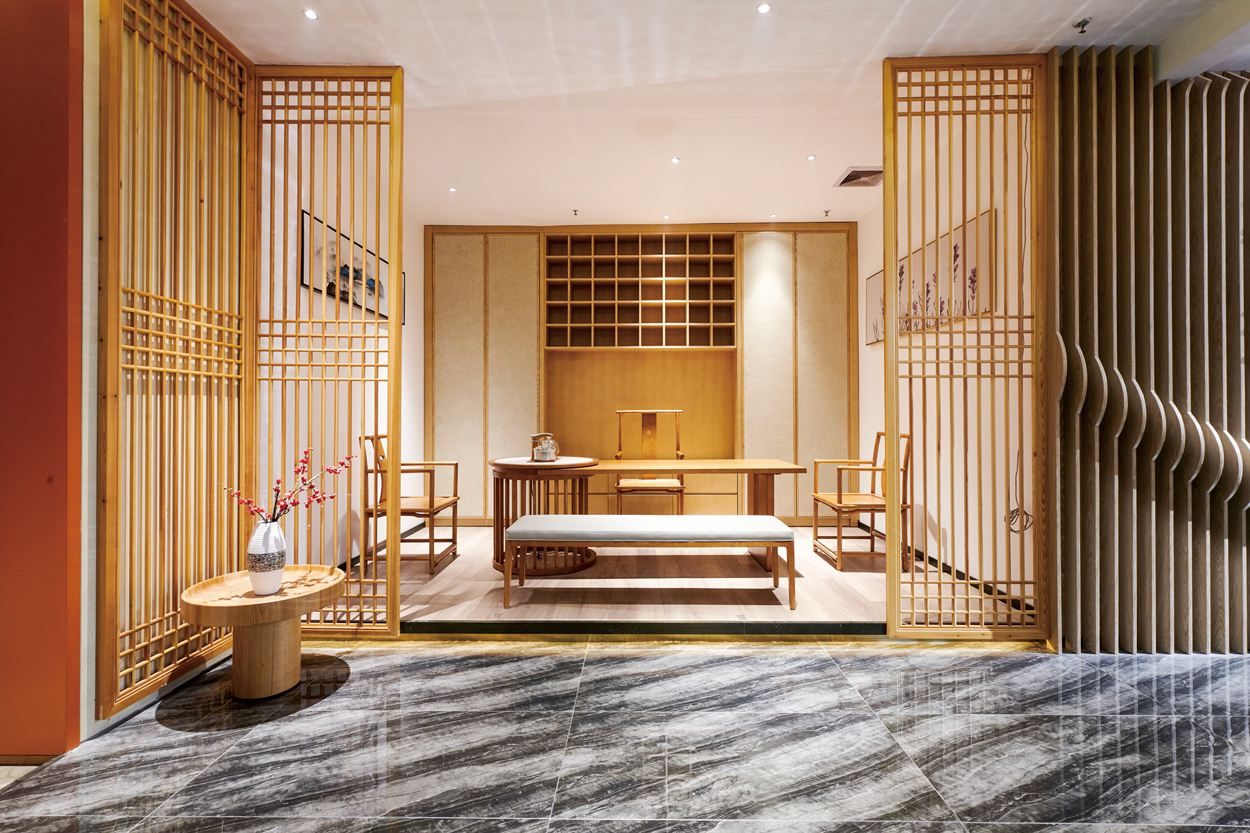
Firstly, the colour scheme for bespoke hotel furniture should take into account the overall style and positioning of the hotel. Different types of hotels have different styles and themes; therefore, the choice of furniture colours should be consistent with the hotel’s overall design. For example, luxury hotels typically opt for dark colour schemes, such as black, coffee brown and gold, to create an atmosphere of opulence and **. Hotels with a minimalist, modern style, on the other hand, tend to choose bright, fresh colours, such as white, grey and light blue, to convey a sense of fashion and relaxation.
Secondly, the colour scheme for bespoke hotel furniture must also take into account the size of the space and the lighting conditions. For hotels with smaller spaces, bright colours should be chosen to enhance the sense of space; for instance, furniture in light shades can create a visual effect of expansion. In areas with insufficient natural light, bright colours can be selected to enhance the overall lighting effect. Furthermore, for rooms with windows, furniture in relatively soft colour schemes can be chosen to minimise glare from sunlight.
Thirdly, the colour scheme for bespoke hotel furniture must take into account details and coordination. Colour is not limited to large, overall surfaces; it must also be skilfully incorporated into the finer details. For instance, bright-coloured accessories can be used as accents to add vitality and interest to the overall design. At the same time, the colours of the furniture should harmonise with elements such as walls, floors and curtains to create a cohesive aesthetic.
Finally, the colour design of bespoke hotel furniture should also take into account guest preferences and market demands. Different guests have different aesthetic preferences; therefore, when designing bespoke hotel furniture, **the needs of various guest types should be considered**. At the same time, market research should be conducted to understand the target audience’s preferences regarding furniture colours, thereby better meeting market demands.
In summary, the colour scheme for bespoke hotel furniture should be consistent with the overall style, take into account the size of the space and lighting conditions, pay attention to detail and coordination, and balance guest requirements with market trends. Through a well-considered colour scheme, a comfortable and welcoming atmosphere can be created within the hotel, enhancing the guest experience whilst strengthening the hotel’s brand image and competitiveness.