

As an integral part of hotel facilities, hotel furniture must take into account a range of factors, including spatial design, aesthetic appeal and functionality. High-quality hotel furniture requires the use of superior solid wood panels, whilst incorporating the hotel’s style to achieve bespoke design and production; this demands that furniture manufacturers possess strong technical capabilities and extensive industry experience.
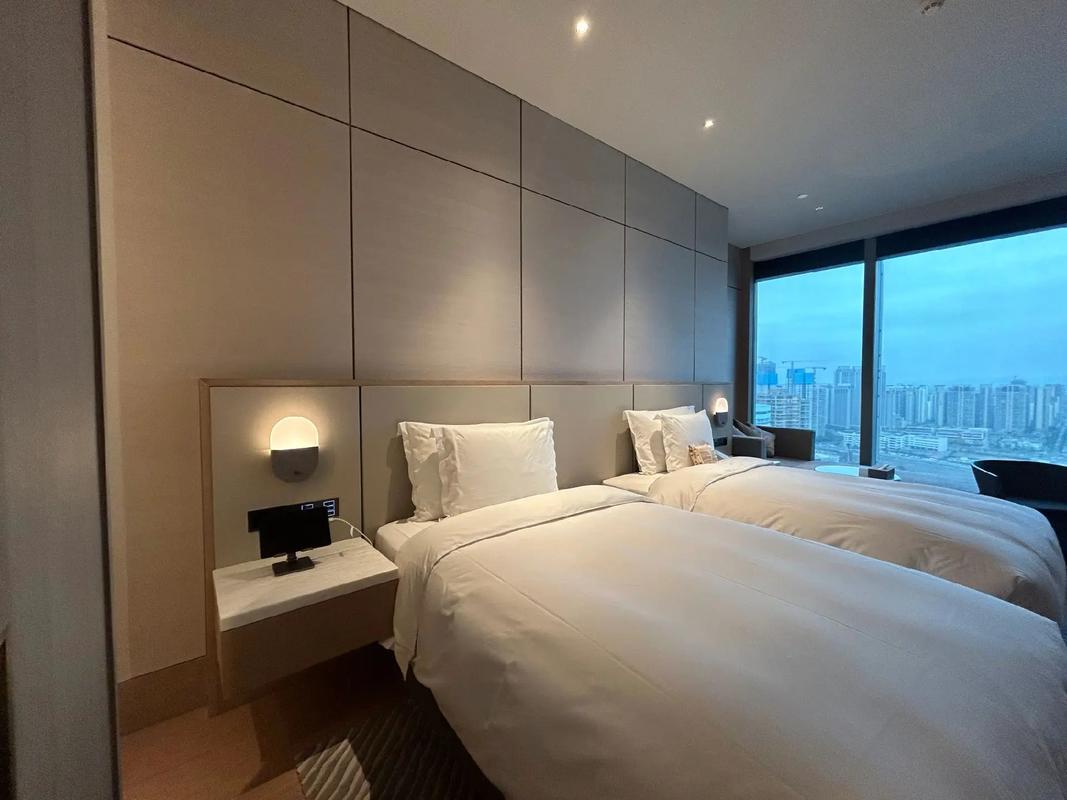
High-quality materials for hotel furniture must be hard, moisture-resistant, rot-proof and decorative; solid woods such as rosewood and brocade wood are widely used. The structural design of furniture must take into account space utilisation and load-bearing requirements, utilising computer-aided design (CAD) software for virtual assembly and structural optimisation. Customised furniture requires the selection of wood grain tones and hand-carved decorations in accordance with the hotel’s design style, which necessitates collaboration between designers and skilled cabinetmakers. The production process requires advanced machining equipment such as CNC saws, drilling machines and planers, alongside precision carving, assembly and spray-painting techniques to ensure high product quality. These technical measures are the cornerstone of customised hotel furniture production.
With continuous innovation in hotel interior design, hotel furniture is also facing pressure to evolve. Enterprises need to accelerate smart transformation and environmental management. They should utilise virtual reality (VR) and augmented reality (AR) technologies to develop 3D design and visualisation systems for furniture; adopt robotics and automated production lines to achieve intelligent customised manufacturing; establish information management and quality traceability systems covering the entire production process; reduce energy consumption and pollution emissions; and select sustainable materials to facilitate resource recycling.
Hotel furniture enterprises must anchor themselves in the hospitality sector, winning the market through design, earning a reputation through quality, expanding demand through service, and fulfilling their environmental responsibilities. They must continuously develop new products to meet trends in hotel interior design; provide high-quality furniture to ensure product safety, reliability, practicality and comfort; enhance the customer experience through exquisite craftsmanship and attentive service; and actively fulfil their social responsibilities by selecting environmentally friendly materials and adopting clean production practices. These represent the direction and objectives for the healthy development of the enterprise.