

Custom hotel furniture first and foremost requires a professional design team. Designers must have a deep understanding of hotel design across various styles and possess extensive design experience; they must be able to propose personalized furniture design solutions based on the hotel’s overall style and unique characteristics; they must be proficient in furniture structural design and performance specifications to ensure product safety; and they must have budget control and project management skills to ensure the feasibility of the design and its scalability for mass production.
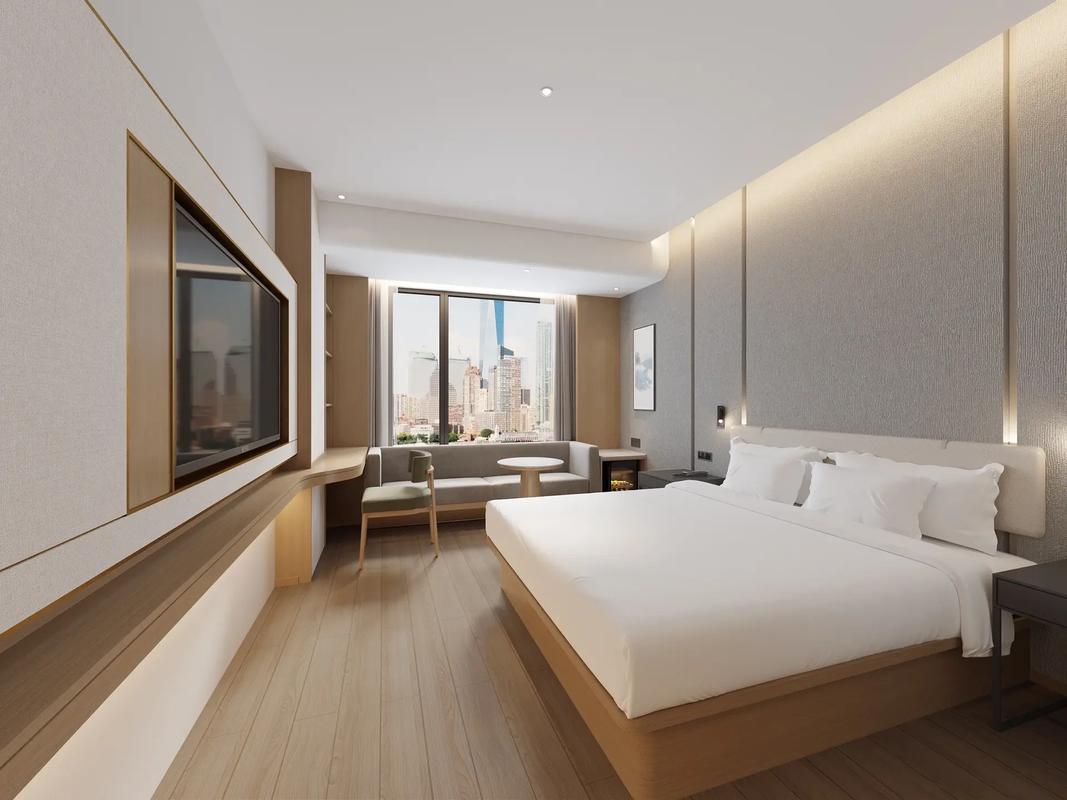
Furniture production requires the use of advanced equipment and processes. CNC machining equipment and robotic systems enable precise product fabrication; mold development techniques ensure product precision and consistent quality; coating lines and logistics equipment facilitate mass production and rapid delivery; and fully automated packaging systems and management systems enable rigorous quality inspections before products leave the factory. These production methods ensure high product quality and delivery efficiency.
Custom hotel furniture also requires continuous innovation. Research and development of new materials and processes continuously improve product performance to meet the high standards demanded by hotels; the development of intelligent production equipment and management systems enables more precise manufacturing; the creation of VR design platforms uses virtual reality technology to visualize design outcomes and optimize solutions; and the establishment of a library of customized production modules shortens product development cycles. These innovative measures ensure the company’s long-term competitive advantage.
As the hotel industry evolves, custom furniture faces increasingly higher standards. Companies need to accelerate their transition to smart manufacturing and service upgrades. They should utilize artificial intelligence and big data technologies to develop systems for optimizing furniture design and enabling personalized customization; build smart production lines and automated logistics systems to improve manufacturing efficiency and delivery speed; and provide personalized after-sales service.
Only by continuously strengthening technological and service innovation can custom hotel furniture companies meet the industry’s higher demands for products and services and achieve sustainable development. At the same time, companies must prioritize environmental protection by adopting clean production and recycling practices to reduce resource waste and emissions, thereby making their due contribution to the sustainable progress of the hotel industry. This is the only path to healthy corporate development.