

The quality of hotel furniture determines the hotel’s reputation for quality. Due to spatial constraints within guest room layouts, some room types lack suitable locations for minibars and refrigerators. Designers must fully explore the functional potential of furniture when designing hotel furnishings.
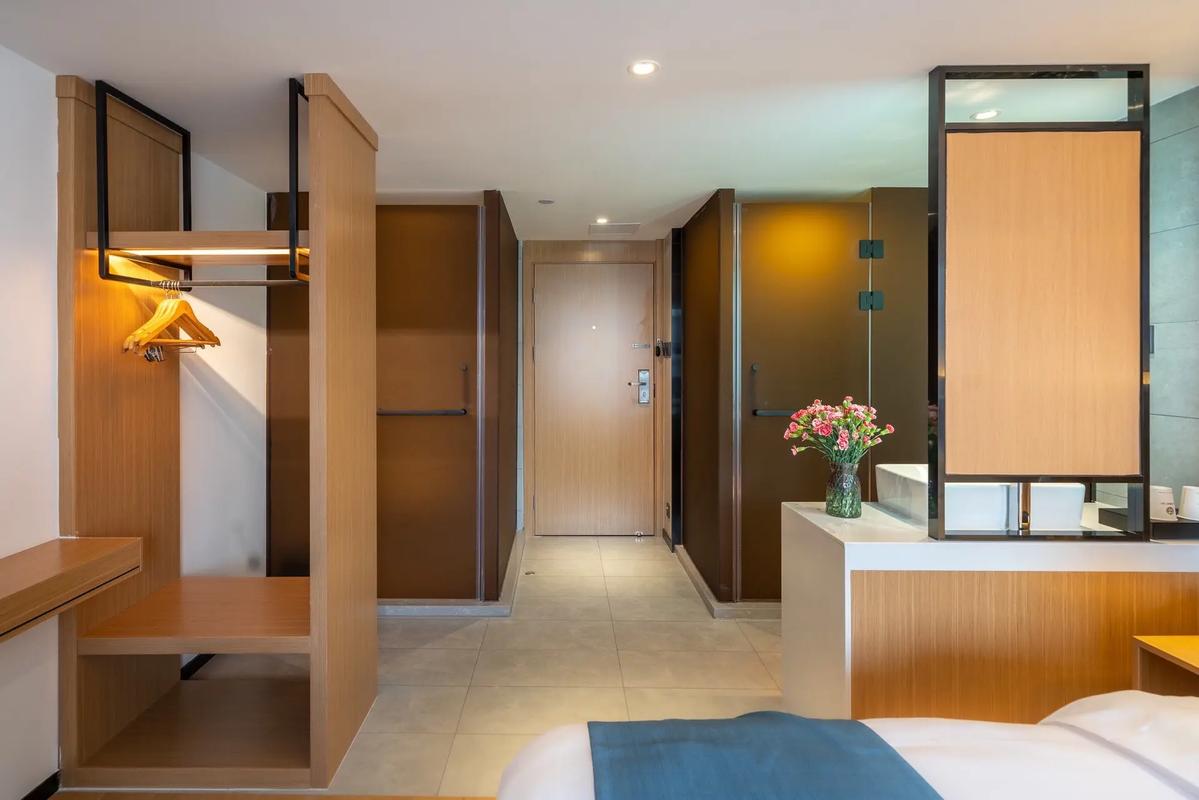
1. Water and Moisture Resistance: In hotel and apartment rooms, hotel furniture is frequently damaged by water and moisture intrusion. Spilled tea, moisture from bathrooms and steam from saunas, contact with wet towels after showers, as well as seasonal climate and humidity changes, can cause issues such as exposed edges, peeling, warping or swelling of panels, cracking of finishes, bubbling, and mold growth. Therefore, water and moisture resistance must be considered when selecting furniture.
2. Fire Resistance and Heat Resistance: Lit cigarettes, matches, and similar items can damage the surfaces of hotel furniture and even cause fires. The fire-resistant and flame-retardant properties of furniture must not be overlooked;
3. Scratch Resistance: Common indoor items such as telephones, ashtrays, teacups, table lamps, flower pots, laptops, suitcases, and electric water heaters may come into contact with hotel furniture surfaces during daily use, causing scratches that shorten the furniture’s service life. The wear resistance of hotel furniture is one of the key factors determining its service life.
4. Environmental Friendliness: Materials used in hotel furniture—such as particleboard, fiberboard, adhesives, and paint—can release gases harmful to human health. Furthermore, since hotel and apartment rooms are relatively enclosed spaces, gases that irritate the eyes and nose can directly affect room occupancy rates. The environmental friendliness of furniture has become a crucial factor for modern guests when selecting a hotel;
5. Style, Aesthetics, and Design: The style and aesthetics of hotel furniture must harmonize with the interior design to avoid situations where simple decor is paired with luxurious furniture or where luxurious decor is paired with low-end furniture. When selecting furniture, factors such as the hotel’s and apartment’s geographic location, target customer base, room pricing, and investment constraints must be considered. By focusing on guest preferences and consumption patterns, and using reasonable furniture design and product styles to compensate for shortcomings in architecture and interior design, the hotel’s档次 and unique characteristics can be enhanced.
6. Initial Investment and Maintenance Time: To ensure that guest occupancy rates are not affected by the aging or damage of hotel furniture, the selection of furniture must consider not only the initial investment cost but also the cumulative costs incurred during the renovation process. Choose products that can maintain a good appearance and high cost-effectiveness over the long term without requiring repeated investments,
7. Artistic Value: The design of hotel furniture plays a significant role in shaping the hotel’s overall image, and good design leaves a positive impression on guests. In furniture design, the form, materials, and colors vary according to different types. Beyond design, the quality of hotel guest room furniture is also a crucial aspect; therefore, we must ensure it is both practical and functional while embodying refined aesthetic appeal. Good design complements the hotel guest room furniture, thereby enhancing its artistic appeal.